
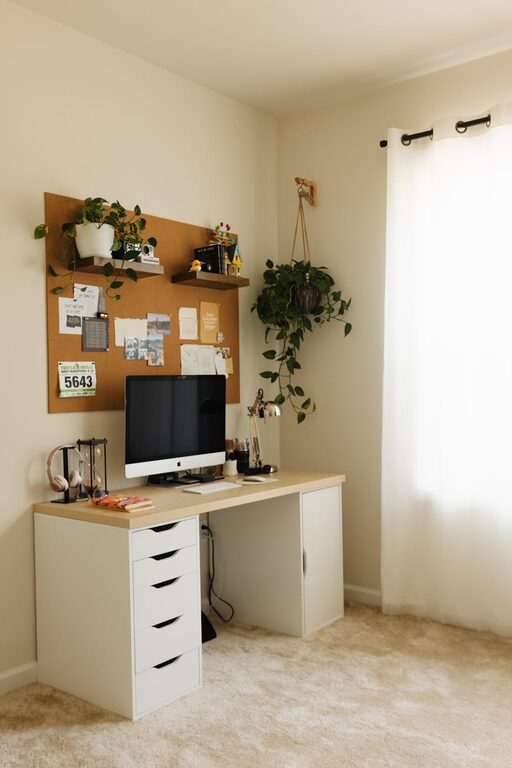
Working from home has become increasingly common, making it more important than ever to create a home office that supports both productivity and relaxation. An effective workspace can help you stay focused, reduce stress, and maintain a healthy work-life balance. In this post, we’ll share practical tips for crafting a home office environment that nurtures well-being and efficiency.
Choose the Right Location
Selecting the best spot for your home office sets the foundation for your workspace. Ideally, pick a quiet area with minimal distractions. If possible, choose a room with a door so you can close off work when the day ends.
Consider natural light availability. A room with good daylight can boost your mood and energy without causing glare on your computer screen. Avoid placing your desk directly in front of a window, as this can lead to eye strain.
Invest in Comfortable, Ergonomic Furniture
A comfortable workspace is vital for both relaxation and productivity. Start with an ergonomic chair that supports your back and encourages good posture. Your desk should be at a height that allows your arms to rest comfortably at a right angle when typing.
If space allows, consider adjustable desks that let you alternate between sitting and standing. This can improve circulation and reduce fatigue. Adding a footrest or cushions for lumbar support can further increase comfort.
Organise for Efficiency
Clutter can quickly undermine productivity and add stress. Keep your office tidy by investing in organisational tools like shelves, filing cabinets, or desk organisers. Designate specific places for documents, office supplies, and electronic devices.
Use cable organisers to manage wires and keep your desk clear. Label folders and drawers to find items quickly. A clean, well-organised workspace encourages focus and saves time.
Personalise Your Space Wisely
Adding personal touches can make your home office feel welcoming and inspire creativity. Incorporate items like photos, plants, or artwork that make you smile. However, avoid overcrowding your desk with too many decorations, as they can become distractions.
Choose a calming colour palette for your walls and accessories. Soft blues, greens, or neutral tones promote relaxation and concentration. You might also add tactile items such as a soft rug or cosy throw to make the space more inviting.
Control Lighting and Reduce Glare
Proper lighting is crucial for reducing eye strain and maintaining alertness. Combine natural and artificial light sources for balanced illumination. Use adjustable desk lamps to focus light on your work area.
Avoid overhead lights that cause glare or harsh shadows. Position screens and monitors to minimise reflections from windows or lamps. Consider installing blinds or curtains so you can control daylight levels throughout the day.
Manage Noise Levels
Noise distractions can negatively impact your ability to concentrate. If your home is generally quiet, consider adding soft background sounds like instrumental music or white noise to mask sudden noises.
For noisier environments, noise-cancelling headphones can help you focus. You could also use rugs, curtains, and cushions to absorb sound and reduce echo.
Prioritise Air Quality and Comfort
Fresh air and comfortable temperature contribute to staying alert and relaxed. If possible, open a window regularly to allow ventilation. Houseplants not only add visual appeal but can improve indoor air quality.
Keep your room at a comfortable temperature—not too hot or cold. Invest in a fan, heater, or humidifier if necessary to maintain an ideal environment.
Establish Boundaries and Routine
Creating clear boundaries between work and home life supports mental wellbeing. Set specific work hours and communicate these to others in your household.
Use rituals such as a morning coffee or a short walk before starting, to signal the start of your working day. At the end of the day, tidy your desk and physically leave your workspace to wind down.
Incorporate Break Areas
If you have enough space, include a small area for breaks. A comfortable chair or cushion nearby can encourage short rest periods away from your desk.
Regular breaks are essential to maintain energy and focus. Use break time to stretch, hydrate, or practice relaxation techniques, helping reduce stress and prevent burnout.
Utilise Technology Smartly
Choose technology and equipment that enhance your workflow. Use tools that are easy to access and minimise frustration.
Maintain your devices by keeping software updated and organising digital files clearly. Avoid multitasking excessively by using apps that help you prioritise tasks and manage time efficiently.
—
By thoughtfully designing your home office with these tips, you can create a space that feels both relaxing and productive. Remember that small changes can have a big impact on your work experience and overall wellbeing. Take time to adjust your environment to suit your needs—your mind and body will thank you.