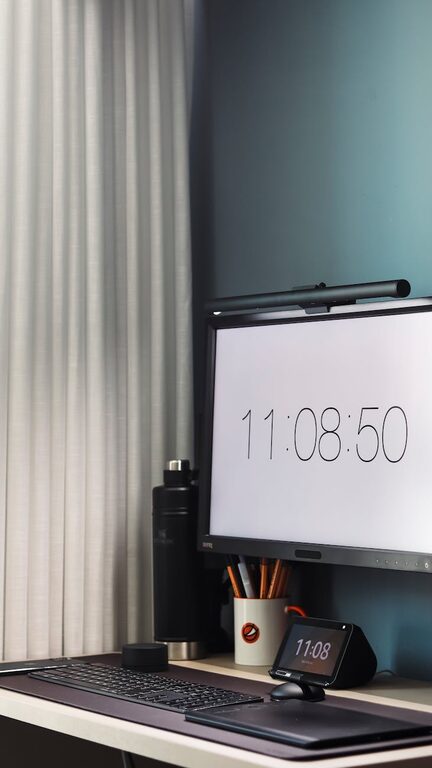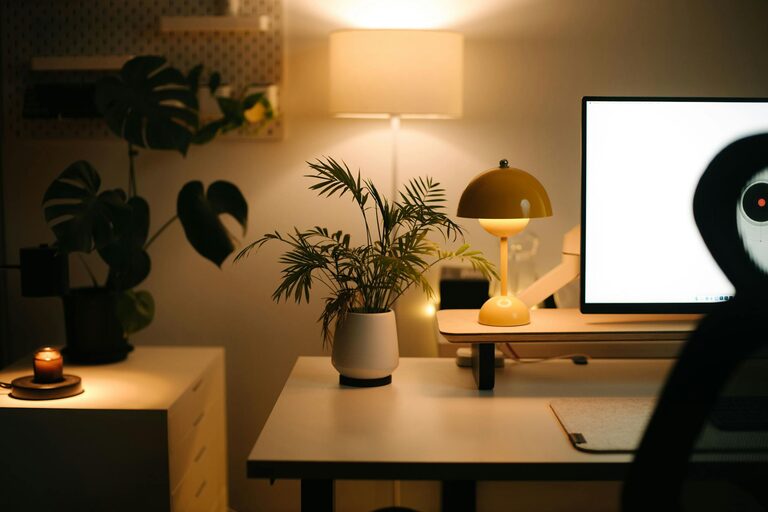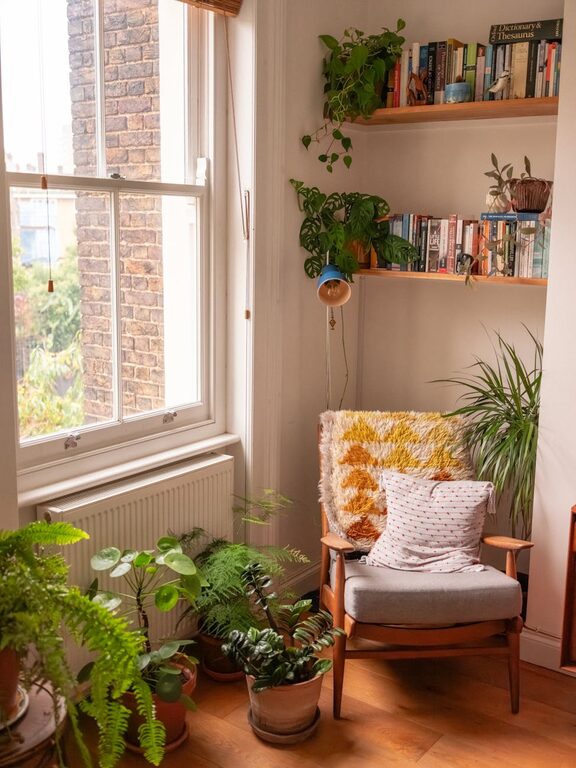
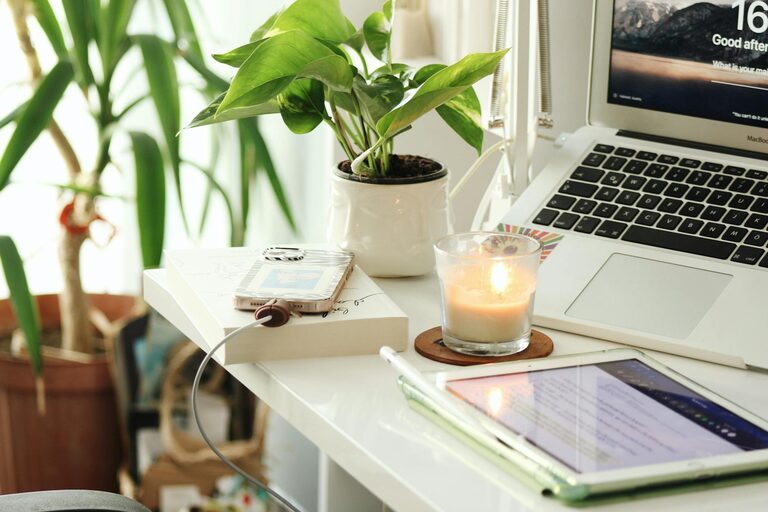
Creating a home office that is both relaxing and productive can be a real game-changer for anyone working remotely or running a business from home. Striking the right balance between comfort and efficiency helps reduce stress and enhances focus. This article explores practical tips to help you design a workspace that supports your mental well-being and gets the best out of your working hours.
Choose the Right Location
Finding a suitable spot in your home is the first step towards a successful home office setup.
– Consider natural light: Position your desk near a window if possible. Natural light boosts mood and alertness.
– Minimise distractions: Avoid high-traffic areas prone to noise or frequent interruptions.
– Space availability: Ensure the area is spacious enough to accommodate your desk, chair, and any equipment you need.
Invest in Comfortable, Ergonomic Furniture
Ergonomics is vital for comfort during long hours at your desk.
– Good chair: Choose an adjustable chair with proper lumbar support to prevent back strain.
– Desk height: Use a desk that suits your height so your arms rest comfortably when typing.
– Footrest: If your feet don’t reach the floor comfortably, a footrest can improve posture.
Organise Your Workspace Efficiently
A tidy and well-organised area encourages productivity and reduces stress.
– Declutter regularly: Remove unnecessary items from your desk.
– Storage solutions: Use shelves, drawers or organisers to keep documents and supplies neat.
– Cable management: Keep cords tidy using clips or sleeves to avoid messy tangles.
Use Calming Colours and Personal Touches
Colours and decor influence how you feel in your workspace.
– Choose soothing colours: Soft blues, greens, or neutrals can create a calming atmosphere.
– Add plants: Indoor plants not only improve air quality but also bring a sense of calm.
– Personal items: A few meaningful photographs or artworks can make the space more welcoming.
Control Lighting and Reduce Eye Strain
Appropriate lighting helps maintain comfort and alertness.
– Balanced lighting: Use a combination of natural light and adjustable task lighting.
– Avoid glare: Position your monitor to prevent reflections from windows or lamps.
– Screen breaks: Follow the 20-20-20 rule by looking at something 20 feet away every 20 minutes for 20 seconds.
Minimise Noise and Enhance Focus
Sound can greatly impact concentration.
– Noise-cancelling headphones: Useful if you cannot control background noise.
– White noise or soft music: Can help mask distractions and maintain focus.
– Soundproofing options: Consider rugs, curtains or wall panels to reduce echoes.
Establish Clear Boundaries and Routine
Structure and boundaries promote work-life balance while improving productivity.
– Set work hours: Define a clear schedule and stick to it.
– Separate work area: Avoid working in areas linked to relaxation like the bedroom or sofa.
– Use visual cues: A desk lamp on/off or a door sign can indicate work hours to family members or housemates.
Incorporate Movement and Breaks
Physical health supports mental performance.
– Stretch regularly: Set reminders to stretch or walk around after periods of sitting.
– Standing options: Consider a sit-stand desk or take standing breaks.
– Drink water: Keep hydrated to prevent fatigue.
Optimise Technology and Connectivity
Reliable technology ensures smooth workflow.
– Fast internet: Check you have a stable connection suited to your work needs.
– Organise devices: Place frequently used gadgets within easy reach.
– Backup power: A surge protector or UPS device can prevent data loss during outages.
Enhance Air Quality and Temperature
Comfortable air conditions improve concentration and health.
– Ventilation: Open windows regularly to let fresh air in.
– Air purifier: Especially helpful if you live in a polluted area or have allergies.
– Control temperature: Adjust heating or cooling to maintain a comfortable environment.
—
Creating a home office environment that is both peaceful and efficient takes careful planning but pays off in improved work experiences and wellbeing. Tailor these tips to suit your preferences and space. Small changes, such as adding plants or adjusting your chair, can make a big difference to how you feel and perform every day. Remember, your workspace should be a place where you enjoy spending time and can focus on your best work.