Creating a calming home office environment is essential for supporting both productivity and well-being. When your workspace feels peaceful and organised, it’s easier to focus on tasks, maintain motivation, and reduce stress throughout the day. Whether you’re new to working from home or looking to refresh your current setup, these practical tips will help you create a space that nurtures your mind and body.
Why a Calming Home Office Matters
Working from home offers flexibility but can also blur boundaries between work and rest. Distractions, clutter, and poor lighting can make it hard to concentrate and impact your mood. A calming environment helps you:
– Enhance focus: Fewer visual distractions allow your brain to stay on task.
– Reduce stress: Soothing surroundings lower anxiety and help maintain a positive mindset.
– Promote well-being: Comfort and organisation contribute to physical and mental health.
– Maintain work-life balance: A dedicated calm area signals when to work and when to switch off.
Tips for Designing Your Calming Home Office
1. Choose the Right Location
Where you place your home office can set the tone for your entire working day.
– Find a quiet spot: Aim for a room or corner away from daily household activity and noise.
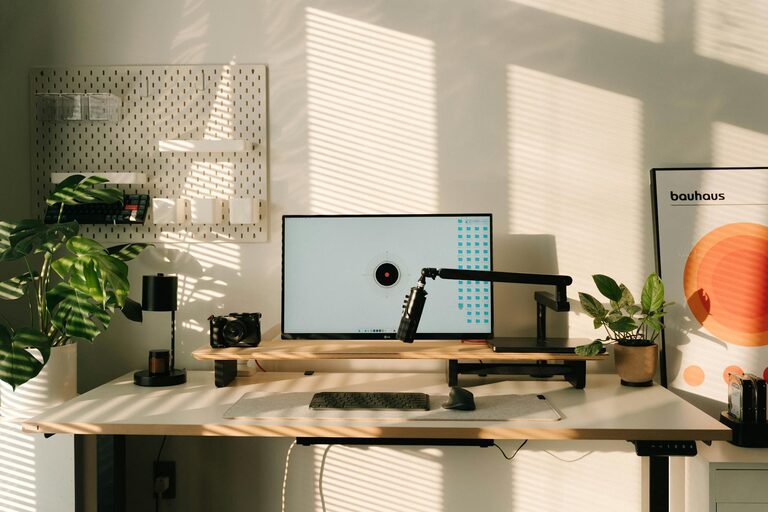
– Natural light: Position your desk near a window to benefit from daylight, which improves mood and alertness.
– Minimise distractions: Avoid areas with TV, laundry or kitchen noises if possible.
2. Opt for Soothing Colours
Colour influences how we feel and think. Selecting calming shades keeps your workspace relaxing.
– Soft blues and greens: These colours are particularly effective for reducing stress and increasing focus.
– Neutral tones: Whites, creams, and soft greys create a clean, distraction-free backdrop.
– Accent colour: Use a gentle accent—like pastel yellow or lavender—for visual interest without overwhelming the senses.
3. Prioritise Comfortable and Functional Furniture
Spending long hours at your desk requires ergonomic and pleasant furnishings.
– Ergonomic chair: Choose one that supports your back and promotes good posture.
– Desk size: Ensure it fits your work essentials without feeling cramped.
– Footrest or cushion: Small additions can improve comfort and reduce fatigue.
4. Declutter and Organise
A tidy space can have a remarkable effect on your mental clarity.
– Regular tidying: Set aside a few minutes each day to clear unnecessary items.
– Storage solutions: Use drawers, shelves, and boxes to keep documents and supplies orderly.
– Minimal décor: Limit decorations to a few meaningful pieces to avoid sensory overload.
5. Add Elements of Nature
Bringing nature indoors helps create a serene atmosphere.
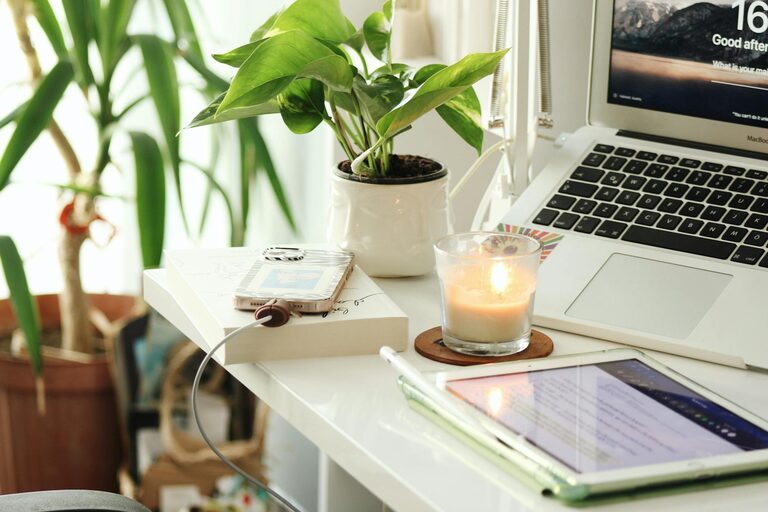
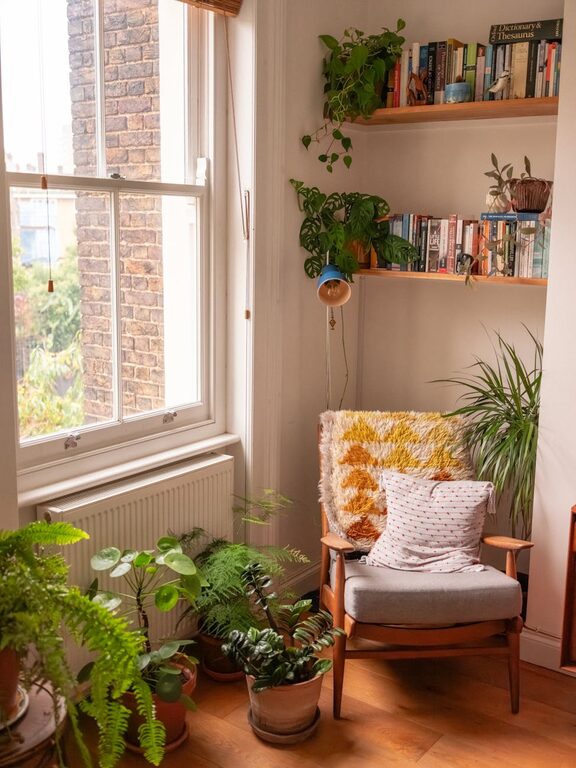
– Houseplants: They improve air quality and have calming visual effects.
– Natural materials: Wood, stone, or bamboo desk accessories add warmth and texture.
– Nature-inspired artwork: Subtle images of landscapes or flora can promote relaxation.
6. Control Lighting
Good lighting reduces eye strain and supports your body’s natural rhythms.
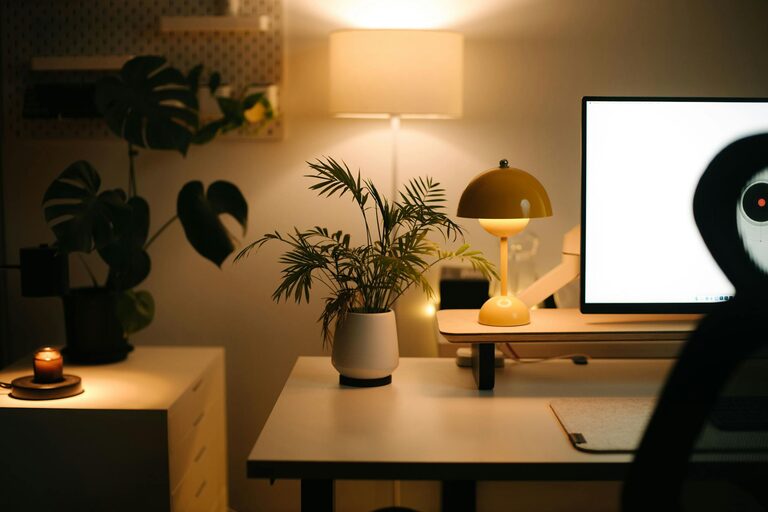
– Layer lighting: Combine natural light with ambient, task, and accent lighting.
– Adjustable desk lamp: Helps focus light where you need it most.
– Avoid glare: Position screens and lights to reduce reflections.
7. Incorporate Personal Touches Mindfully
Personal elements make your workspace inviting but should not distract from work.
– Photos or art: Choose images that inspire or soothe you.
– Scented candles or diffusers: Gentle aromas like lavender or eucalyptus can deepen calm.
– Favourite mug or stationery: Small items that bring joy without cluttering.
8. Use Sound to Your Advantage
Background noise impacts concentration in different ways.
– Noise-cancelling headphones: Useful if household noise is unavoidable.
– Ambient sounds: Soft instrumental music or nature sounds can improve focus.
– Silence: If possible, a quiet environment is often best for deep work.
9. Establish Clear Boundaries
Creating a mental separation between work and home life is crucial.
– Defined workspace: Even a small, dedicated desk or corner helps.
– Set work hours: Communicate your schedule with household members.
– End of day routine: Develop habits that signal the end of work, like tidying your desk or closing a door.
10. Take Breaks and Move
A calm workspace supports productivity but regular movement is key to feeling good.
– Stretch or walk: Short breaks increase blood flow and reduce tension.
– Change posture: Stand up or use a sit-stand desk if you can.
– Breathing exercises: A few deep breaths help reset your focus and calm your mind.
Conclusion
Designing a calming home office doesn’t have to be complicated or expensive. Small changes in location, light, colour, and organisation can lead to big improvements in your productivity and well-being. By thoughtfully arranging your workspace, incorporating elements of nature, and setting clear boundaries, you create an environment where your mind can work clearly and your body feels supported. Give these tips a try and watch how your working-from-home experience transforms into a more peaceful and productive part of your day.