
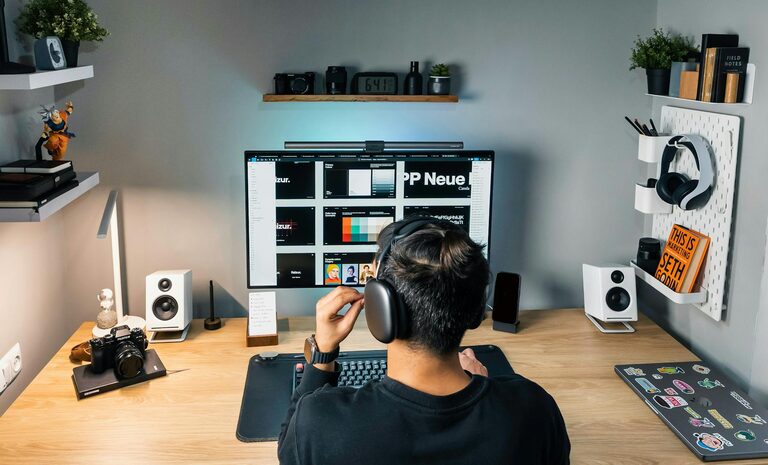
Creating a productive home workspace is essential for anyone working remotely or needing a dedicated area for focused tasks. A well-designed workspace not only improves efficiency but also enhances comfort and well-being. This guide offers useful tips to help you craft a home office that aligns with your lifestyle and allows you to work effectively.
Understand Your Work Needs
Before arranging your workspace, consider the nature of your work.
– Assess Your Tasks: Do you primarily use a computer? Do you need space for paperwork, creative materials, or video calls?
– Work Hours: How long do you spend working each day? A temporary setup for quick tasks differs from a full-day workstation.
– Equipment: List essential tools such as monitors, printers, phones, or special devices.
Knowing these details helps in choosing a suitable location and furniture.
Choose the Right Location
Selecting the best spot in your home plays a significant role in productivity.
– Quiet and Distraction-Free: Ideally, find a place away from high-traffic areas to minimise interruptions.
– Natural Light: Position your desk near a window to benefit from sunlight, which can improve mood and reduce eye strain.
– Ventilation: A well-ventilated space keeps you comfortable during long hours.
– Space Availability: Ensure there is enough room for your equipment and movement.
If space is limited, consider multi-purpose areas or creative use of furniture to define your workspace.
Invest in Comfortable and Ergonomic Furniture
Comfort helps maintain focus and prevents physical strain.
– Ergonomic Chair: Choose a chair with adjustable height and good lumbar support to maintain proper posture.
– Desk: Your desk should suit your work habits; height and surface area matter. If possible, consider adjustable desks that allow sitting and standing.
– Screen Position: The top of your monitor should be at or slightly below eye level to avoid neck strain.
Taking the time to find correct furniture is an investment in your productivity and health.
Organise and Declutter
An organised environment reduces stress and distractions.
– Storage Solutions: Use shelves, drawers, or filing cabinets to keep documents and supplies tidy.
– Declutter Regularly: Remove unnecessary items from your desk to maintain a clean space.
– Cable Management: Use clips or sleeves to manage cables and avoid tangled cords.
Keeping your workspace orderly helps you focus better and locate items quickly.
Personalise Your Space to Suit Your Lifestyle
Your workspace should feel inviting and reflect your personality.
– Colour Scheme: Choose colours that energise you or create calm, depending on your preference.
– Plants and Decor: Add some greenery or personal items to make the space pleasant without overwhelming it.
– Lighting: Use adjustable lighting options for working at different times of the day.
Balancing professionalism with personal comfort makes sitting at your desk more enjoyable.
Establish a Routine and Boundaries
Creating habits supports consistent productivity.
– Set Working Hours: Define clear start and finish times to separate work from personal life.
– Take Breaks: Regular short breaks prevent fatigue and improve concentration.
– Limit Distractions: Use techniques like ‘do not disturb’ signs or noise-cancelling headphones.
Communicating your work schedule with household members helps maintain these boundaries.
Use Technology to Enhance Productivity
Leverage tools and technology for a smoother workflow.
– Reliable Internet: Ensure your internet connection is stable and fast.
– Essential Software: Use applications for task management, communication, and document sharing.
– Backup Solutions: Regularly back up work files to prevent data loss.
Technology should support your work process, so keep your setup up to date.
Adapt and Evolve Your Workspace
Your workspace needs may change over time.
– Seek Feedback: Reflect on what does or doesn’t work and make adjustments.
– Stay Flexible: Be willing to rearrange or upgrade furniture and tools as needed.
– Seasonal Changes: Modify lighting or heating for comfort throughout the year.
Regularly reviewing and improving your workspace ensures it remains productive and comfortable.
Conclusion
Designing a home workspace tailored to your lifestyle involves thoughtful planning and ongoing adjustments. By choosing the right location, investing in ergonomic furniture, keeping things organised, and establishing clear routines, you can create a productive environment that supports your best work. Remember, the goal is a space that helps you stay focused, motivated, and comfortable every day.